
Safer Anaesthesia From Education (SAFE)
Safer Anaesthesia From Education (SAFE) is a short CPD/CME course aimed at equipping anaesthesia providers with the essential skills and knowledge to deliver safe care to their patients, even in low-resource settings
On this page:
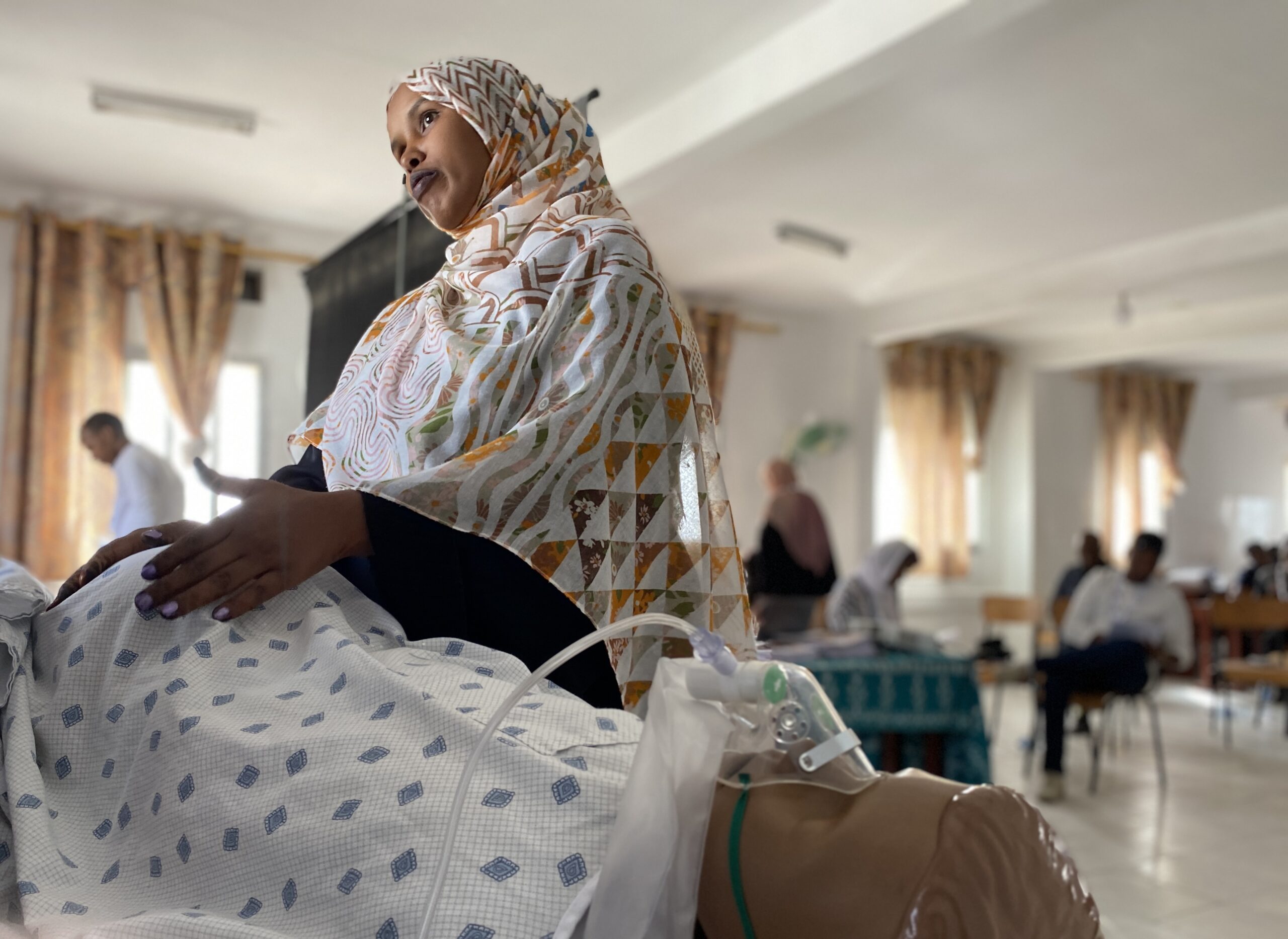
SAFE was jointly developed by the Association of Anaesthetists and the WFSA in 2011. SAFE combines UK anaesthetists with local instructors, who are provided with a train the trainers course to become the in-country faculty of the future. SAFE is delivered in small groups using a combination of lectures, low-tech simulation, discussions and role-play.
The course is tailored to suit the needs and context of trainees and can be delivered to both physician and non-physician anaesthesia providers. The aim is to create a sustainable training model which can be embedded in the national health system.
SAFE courses have been run around the world, and course materials are available in English, French, Spanish, Portuguese and Khmer.
SAFE Courses
SAFE Obstetrics
❯
SAFE Obstetrics
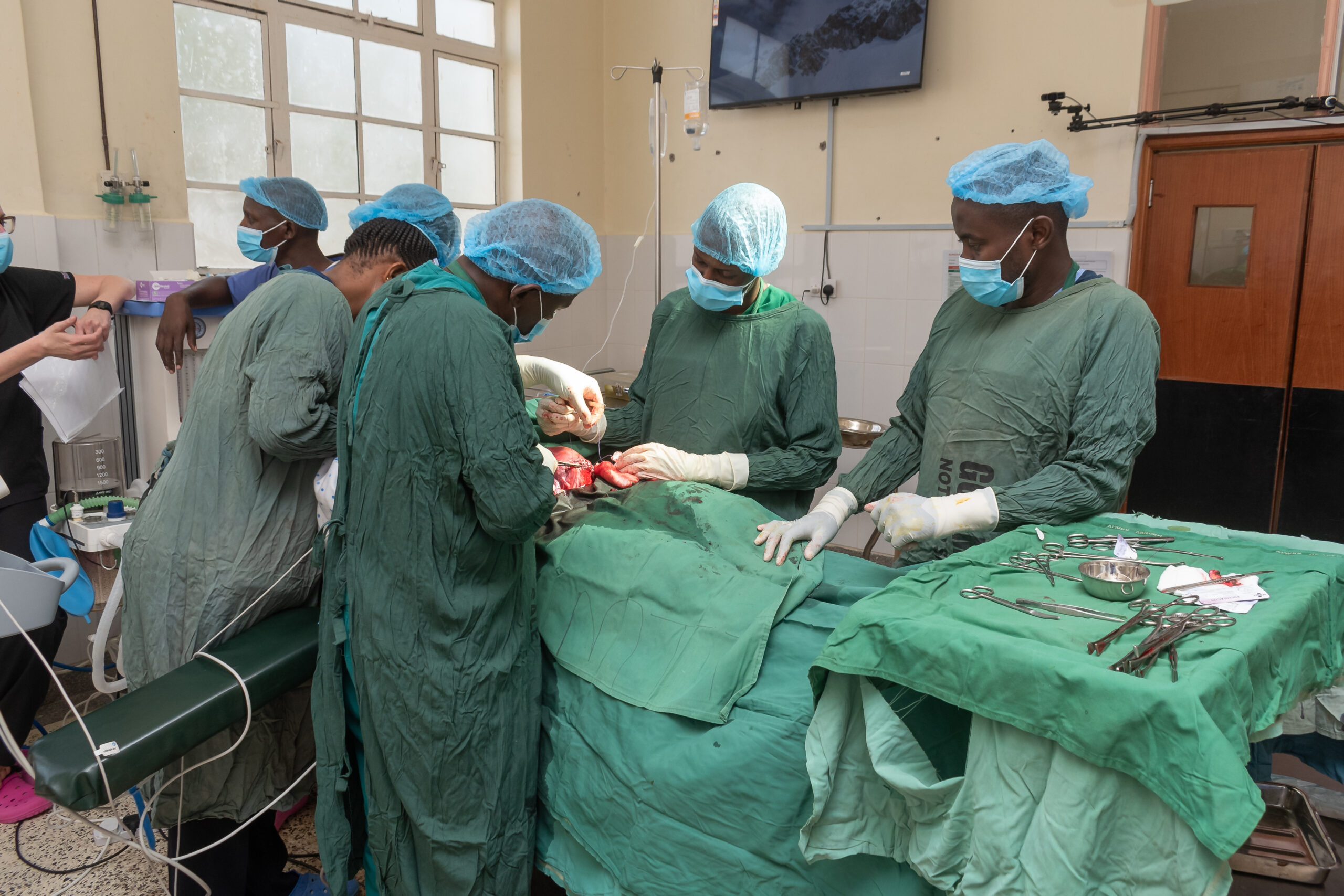
SAFE Obstetrics is a three-day training course which addresses the roles of the anaesthesia provider in managing obstetric cases and emergencies.
It uses clinical scenarios based on the conditions causing 80% of maternal deaths: haemorrhage, sepsis and eclampsia.
It also covers anaesthesia management, complications of anaesthesia and newborn resuscitation.
SAFE Obstetric Anaesthesia Course Manual
Participants on SAFE Obstetrics and Paediatrics courses also receive a copy of the SAFE Handbook
SAFE Paediatrics
❯
SAFE Paediatrics
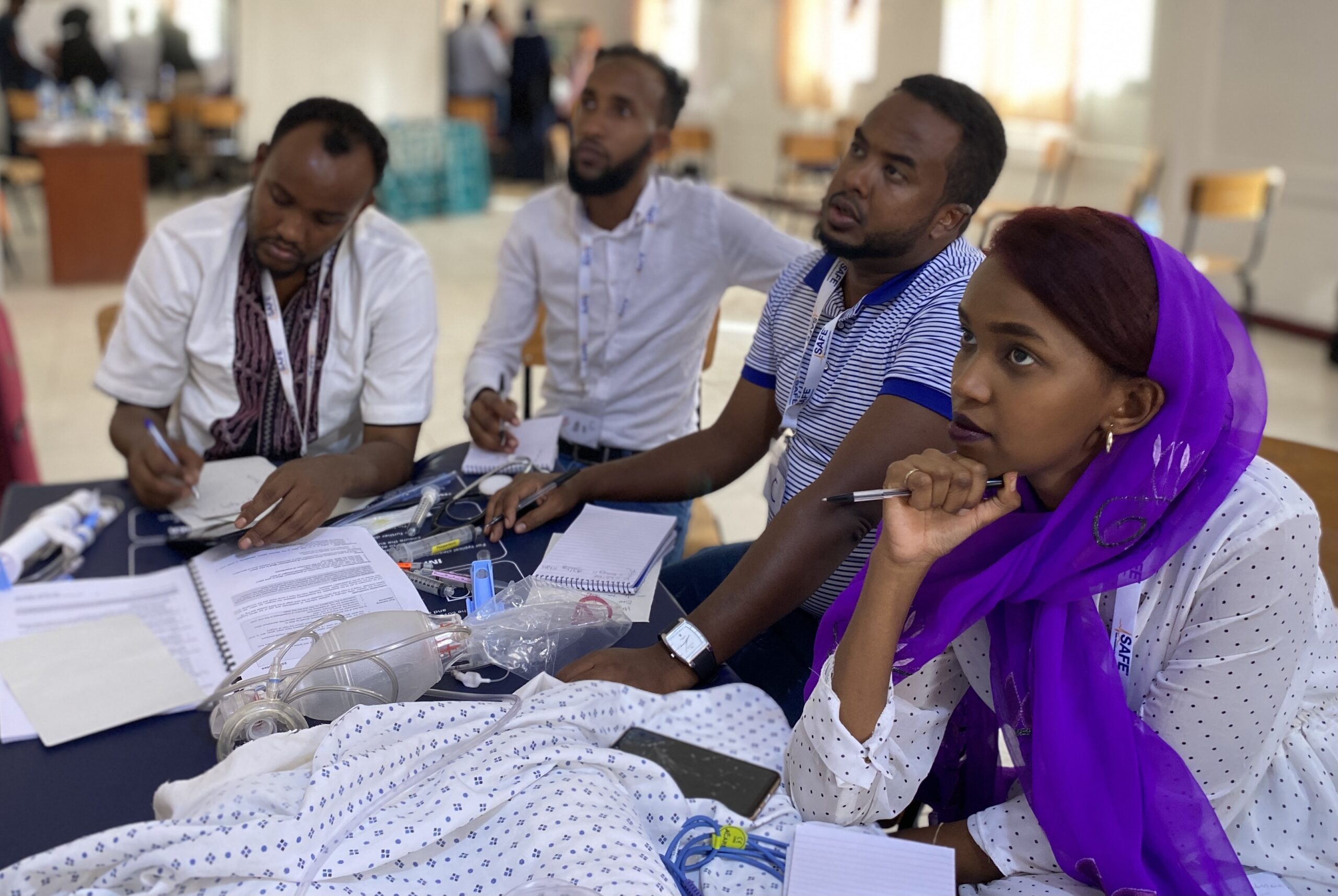
The SAFE Paediatrics course is a three-day course which aims to provide refresher training in the essentials of paediatric anaesthesia and emphasises the principles of safe care for children, in particular, assessment, vigilance and competence in essential skills.
The course includes sessions on anaesthesia for common elective and emergency conditions in children, pain management, fluid resuscitation, newborn and paediatric life support and paediatric trauma management.
A two-day version of the SAFE Paediatrics course has been developed for UK anaesthetists in 2019.
Paediatric Anaesthesia Facilitator Course Manual
Participants on SAFE Obstetrics and Paediatrics courses also receive a copy of the SAFE Handbook
SAFE Paediatrics – Cleft
❯
SAFE Paediatrics-Cleft
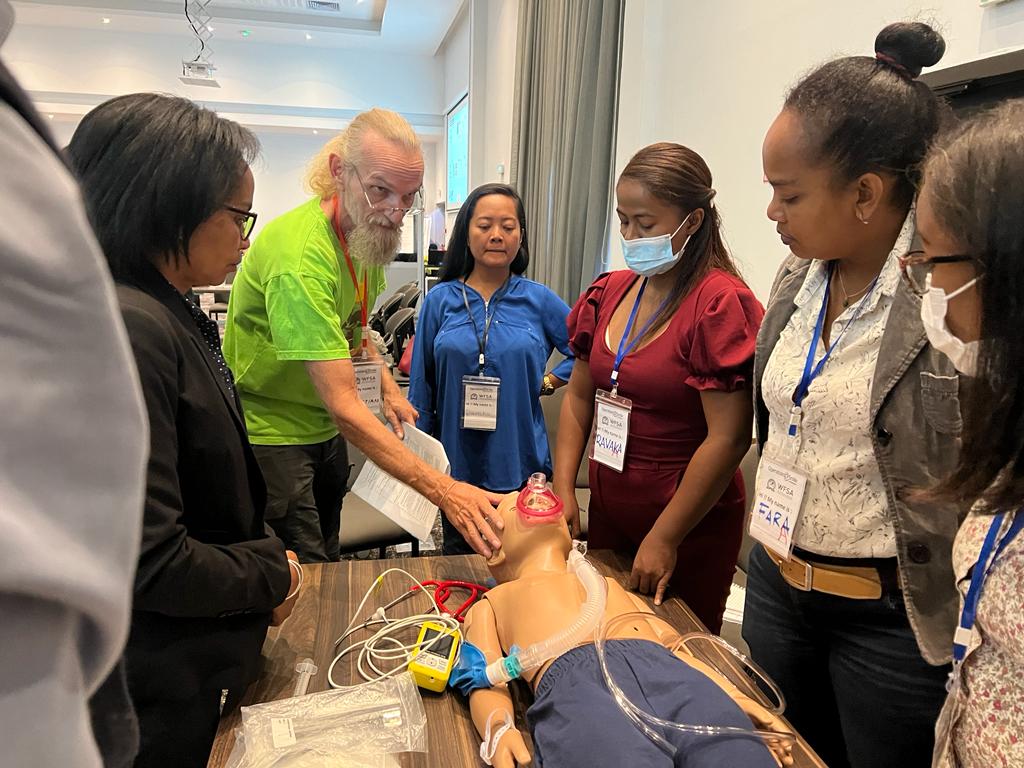
Launched in 2022, SAFE Paediatrics – Cleft is a two-day course focused on the principles of providing safe anaesthesia to children undergoing cleft lip and palate repair surgery.
The course covers the principles of paediatric anaesthesia, cleft surgery and OR safety, as well as sessions on intercurrent illness, associated conditions and syndromes, airway management and anaesthesia for cleft surgery.
SAFE Training of Trainers (ToT)
❯
SAFE Training of Trainers
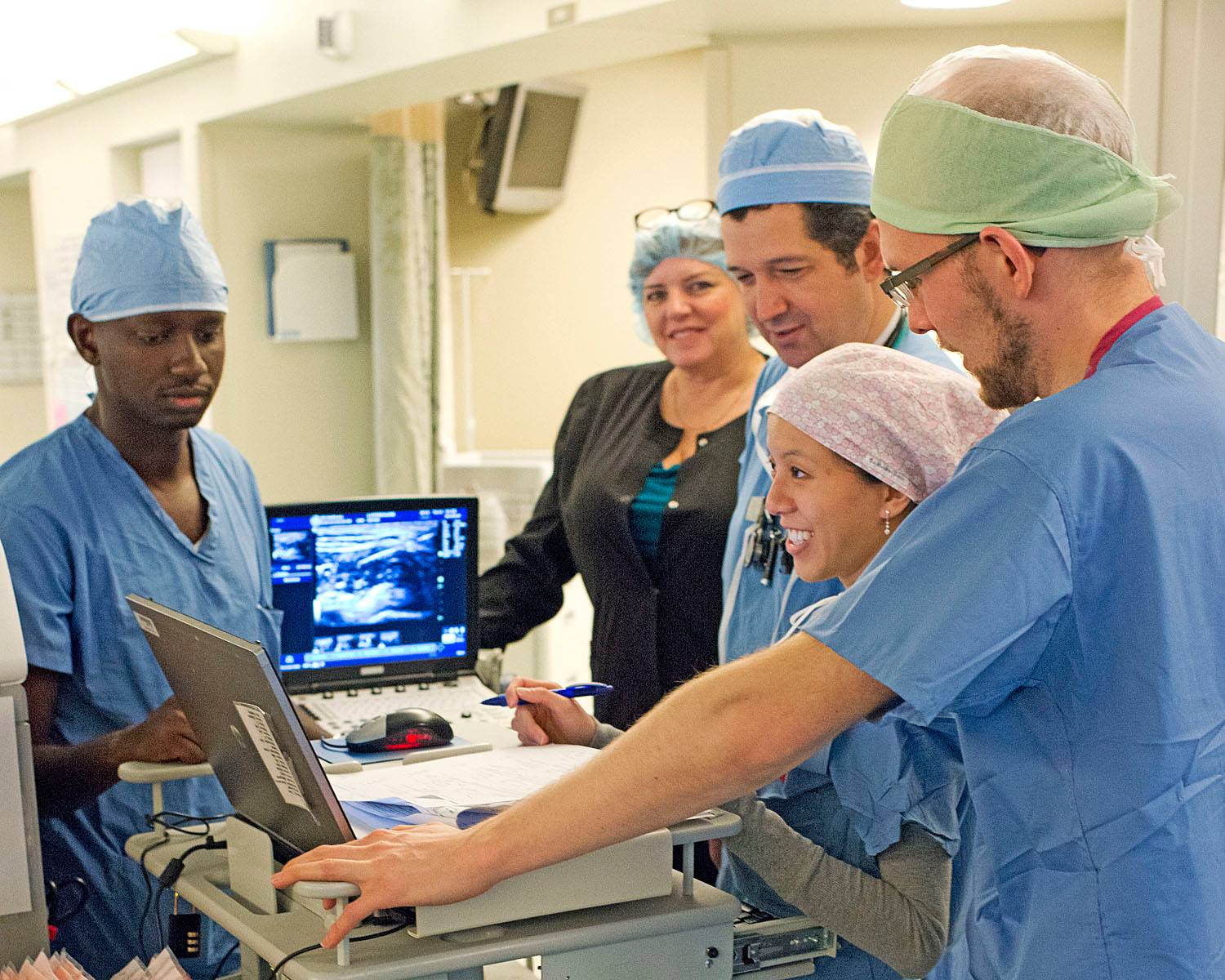
SAFE Training of Trainers is a one-day course which covers SAFE teaching methodology, to equip new trainers with the skills to teach on SAFE courses
SAFE Online
❯
SAFE Online
SAFE Online is our newest development, providing alternative models of SAFE course delivery, including interactive e-learning through our SAFE Online learning management system and interactive online discussions, with fully online and hybrid options of delivery
Submit a SAFE course report
To assess the global impact of SAFE courses, we kindly request you complete the SAFE course cover sheet after completion of a course. This data is crucial for evaluating SAFE’s impact and securing future funding.
SAFE Materials
Participants and Facilitators receive a detailed course manual covering all the course material.
Taster versions of the course manuals:
Participants on SAFE Obstetrics and Paediatrics courses also receive a copy of the SAFE Handbook
Get Involved
- Please fill out the Trained Faculty Form if you have experience teaching on SAFE courses.
- Please fill out the Expression of Interest Form if you would like to become a trainer to teach on SAFE courses.
Your information will be stored in our database, and we will reach out to you when teaching opportunities on SAFE courses become available.
Further Resources & Impact
- The SAFE website
- The impact of the Safer Anaesthesia from Education (SAFE) Obstetric Anaesthesia training course in Ethiopia
- Safe paediatric anaesthesia project: scaling-up paediatric anaesthesia training in east and central Africa
- SAFE paediatric anaesthesia course: educational impact in five countries in East and Central Africa
- A Mixed-Method Design Evaluation of the SAFE Anaesthesia Course at 4 and 12-18 months After Training in the Republic of Congo and Madagascar
- Mixed methods analysis of factors influencing change in clinical behaviours of non-physician anaesthetists in Kenya following obstetric anaesthesia training
- The impact of the Safer Anaesthesia from Education (SAFE) Obstetric Anaesthesia training course in Ethiopia
- Global obstetric anaesthesia: bridging the gap in maternal health care inequities through partnership in education
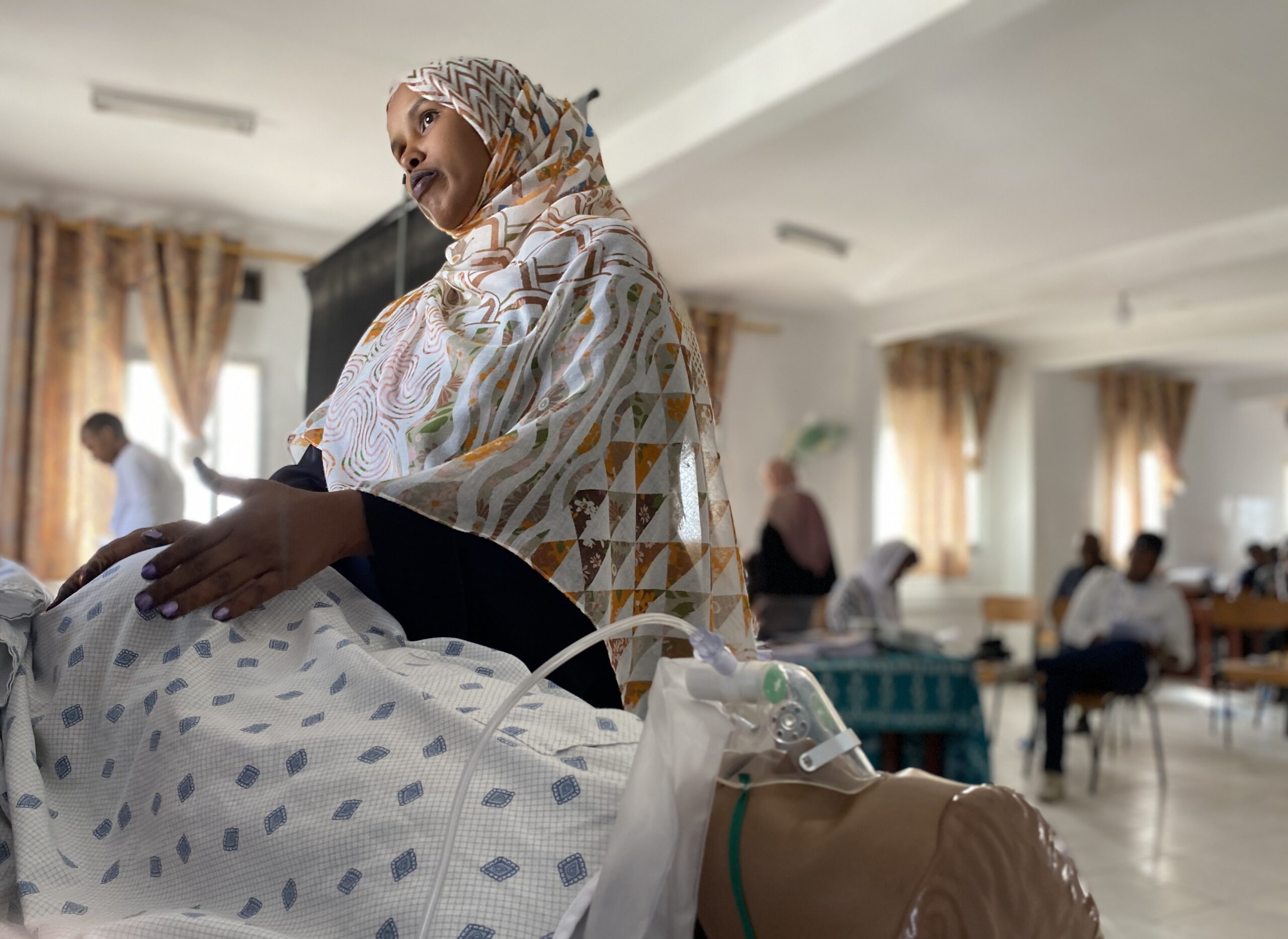
Title image: SAFE Obstetrics course in Somaliland, 2022