




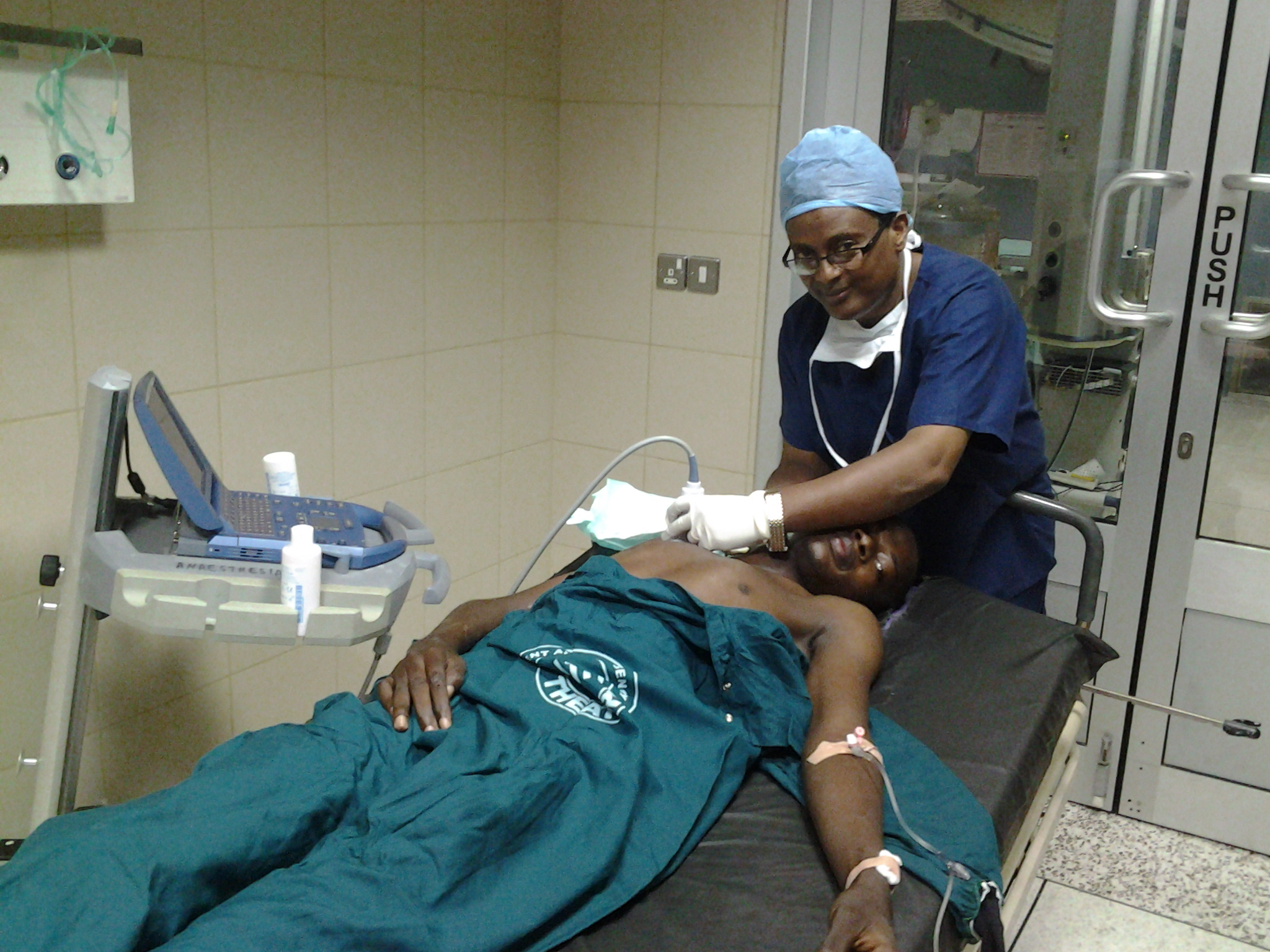
Online applications for paediatric anaesthesia fellowships in Zambia open until 15 May 2024.
Latest News
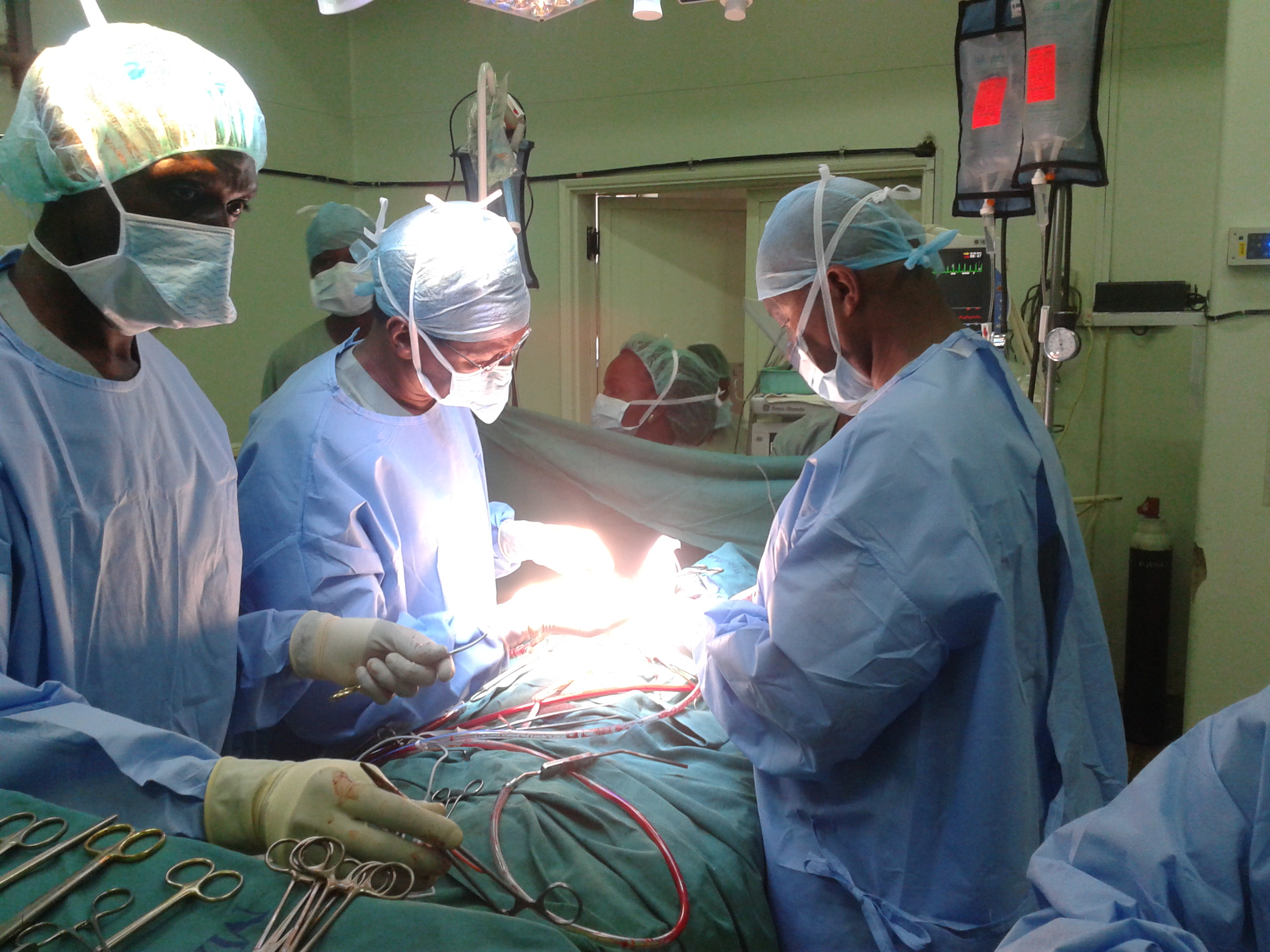
Applications Open: Paediatric Anaesthesia Training in Africa (PATA) Fellowship, Kampala, Uganda – 2024/25
Online applications for paediatric anaesthesia fellowships in Kampala, Uganda open until 15 May 2024.
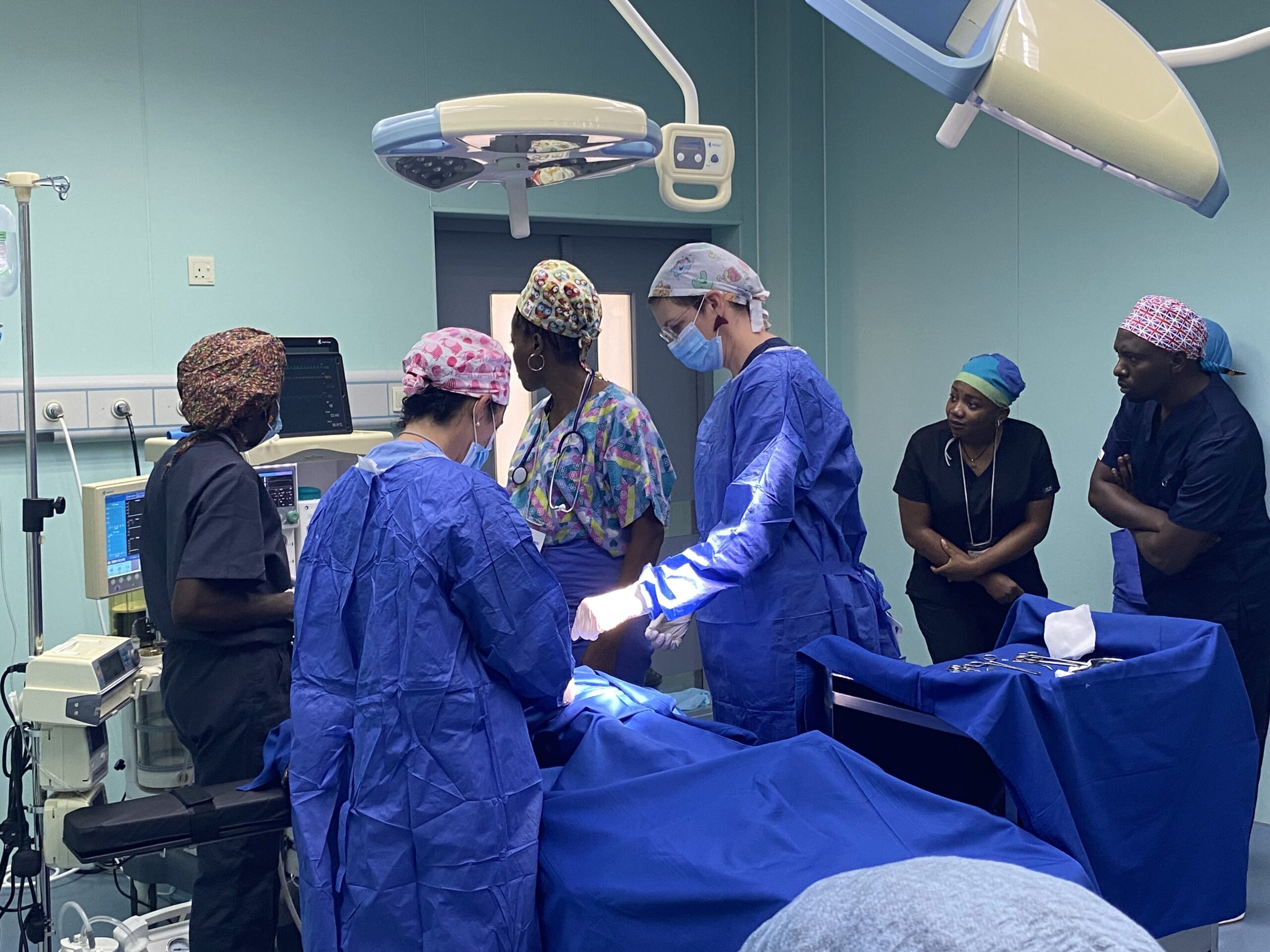
Applications Open: Paediatric Anaesthesia Training in Africa (PATA) Fellowship, Abuja, Nigeria – 2024/2025
Online applications for paediatric anaesthesia fellowships in Abuja, Nigeria open until 15 May 2024.

WCA2024 Round Up
With 5044 in-person participants from 142 countries, the 18th World Congress of Anaesthesiologists reminded us of the importance of global collaboration in advancing the practice of anaesthesiology

Celebrate Female Leadership in Anaesthesia this International Women’s Day 2024
With ‘Inspire Inclusion’ as the theme of International Women’s Day 2024, we asked WFSA women in leadership positions how we can encourage, support and inspire women into decision-making roles in the anaesthesia profession
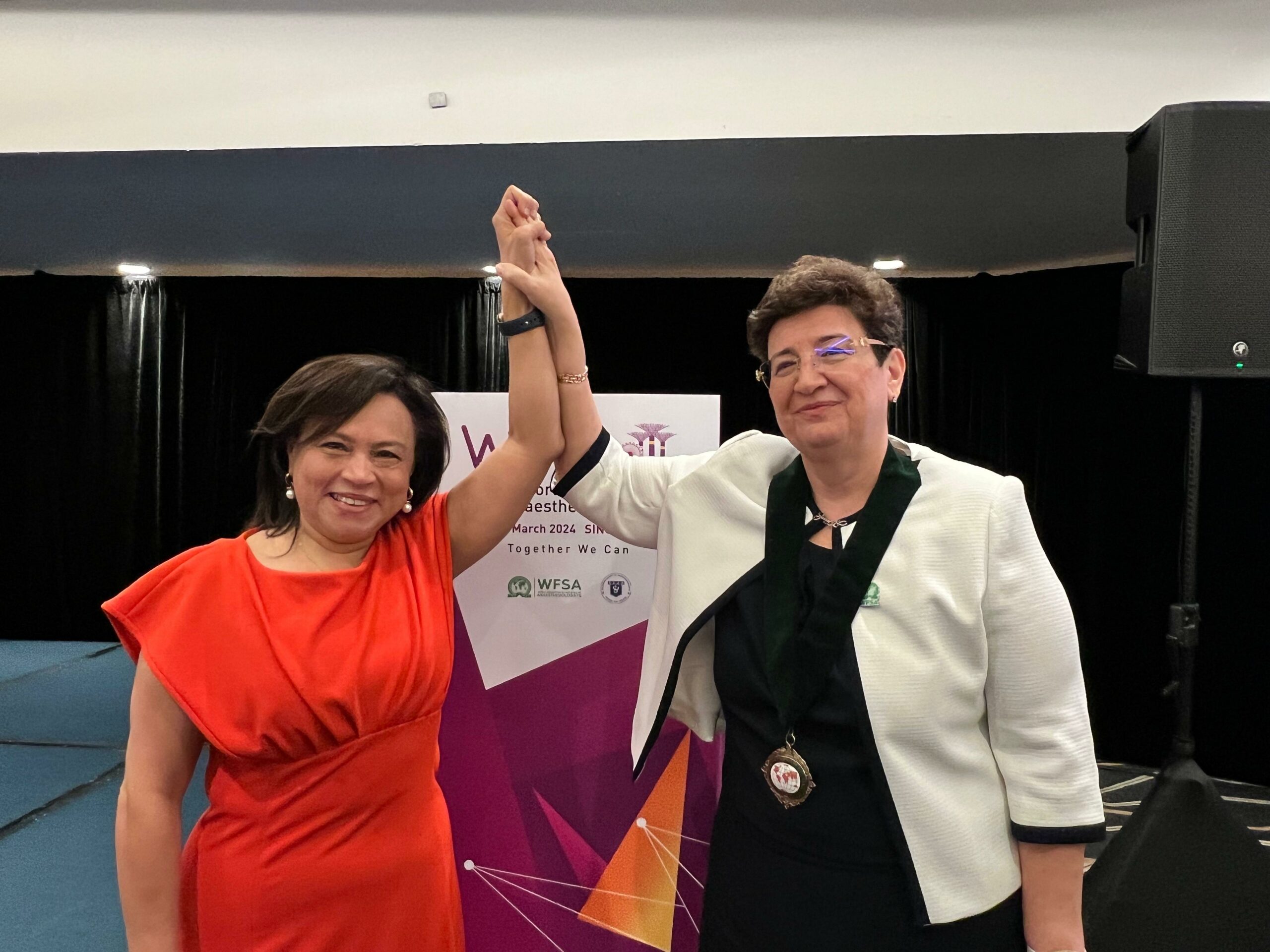
A new era of leadership for the world’s anaesthesiologists
Member Societies elect Professor Daniela Filipescu of Romania and Dr Carolina Haylock of Honduras as WFSA President and President-Elect.